By Leah Bryant, Paediatric Dietitian Baby Steps Health Centre Perth.
From pregnancy to your child’s second birthday are termed “the first 1000 days” the food you eat, and then the food your child eats, can help shape their gut health, immune system, and even their future risk of allergies and weight problems. Inside your child’s digestive tunnel lives a huge community of tiny “bugs” (mostly bacteria) called the gut microbiome. These bugs help break down food, support the immune system, and send messages to the brain.
But What on Earth is the Gut Microbiome?
Think of your child’s gut as a long tunnel, from mouth to bottom. At the end of that tunnel is a “factory” that turns leftover food into poo. Some of that leftover food feeds the good gut bugs.
When these bugs are fed well, they make helpful substances called short-chain fatty acids, which:
- Feed the cells that line the gut.
- Help keep the gut wall strong, so unwanted germs, potential allergens do not cross over into the bloodstream.
A healthy mix of gut bugs early in life is linked with lower risks of allergies, asthma, eczema, obesity and some immune related conditions later on.
How the Microbiome Grows in the First 1000 Days
During Pregnancy
In pregnancy, your own gut health, maternal stress level and diet start to “set the scene” for your baby.
Note the “scene” is not static and below are ideal scenarios. Every pregnancy is unique, and perfection isn’t the goal small, consistent steps can make a meaningful difference for you and your baby.
- Try eating plenty of fibre: whole grains, fruit, vegetables, beans, lentils, nuts and seeds help feed “helpful /good” gut bugs and support healthy blood sugars and weight.
- Try where possibly to include healthy fats, especially omega-3s:
oily fish (like salmon or sardines), walnuts, chia and flaxseeds support baby’s brain and immune system.
- Managing stress where possible
: long-term, high stress can affect gut brain communication and inflammation, so support, rest and simple stress reduction strategies matter.

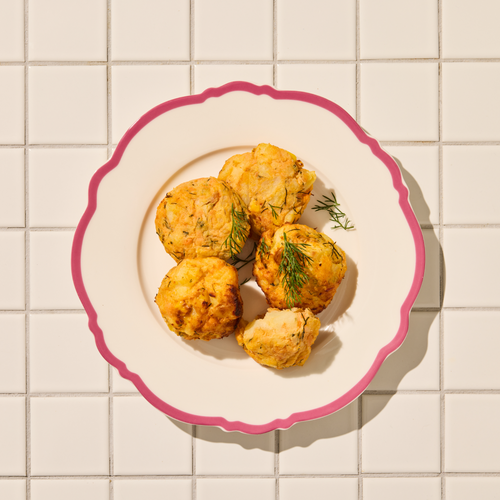
PICTURED: Le Purée Coconut Fish Fingers
0–6 Months: Milk Feeding
In the first months, milk is the main driver of your baby’s gut bugs.
- If possible try to initiate breastfeeding or provide your child any exposure to breast milk. It contains special sugars called human milk oligosaccharides (HMOs) that feed helpful bacteria like Bifidobacterium. These are linked with better immune development and lower infection and allergy risk.
- If breast feeding isn’t possible many infant formulas now include some HMOs to support gut health, although they are still slightly different from human milk.
- Responsive feeding watching your baby’s hunger and fullness cues rather than strict schedules to support healthy growth and a positive relationship with food.
6–12 Months: Starting Solids
Around 6 months, most babies are ready to start solids. This is when the microbiome becomes much more diverse as new foods arrive. Horray !!!
Look for signs your baby is ready (good head control, sitting with support, interested in food, able to move food to the back of the mouth). Starting solids too early or very late may increase allergy risk and make feeding more stressful.
- Stay calm and keep offering rejected foods; repeated gentle exposure helps babies “learn” to like new tastes and textures over time.
- Introduce common allergens (cooked egg, tree nuts, peanut as smooth paste, wheat, dairy in baked or processed forms) from around 6 months if safe, and keep them in the diet regularly if tolerated, which can reduce allergy risk.
12–24 Months: Towards an Adult-Like Microbiome
By about 2 years, your child’s gut microbiome looks more like an adult’s. It will still change with food choices, illness, and antibiotics, but the basic pattern is set.
This is a great time to:
- Keep offering a wide range of whole foods.
- Limit ultra processed snacks and sugary drinks.
- Build family routines around shared, calm meals where possible.

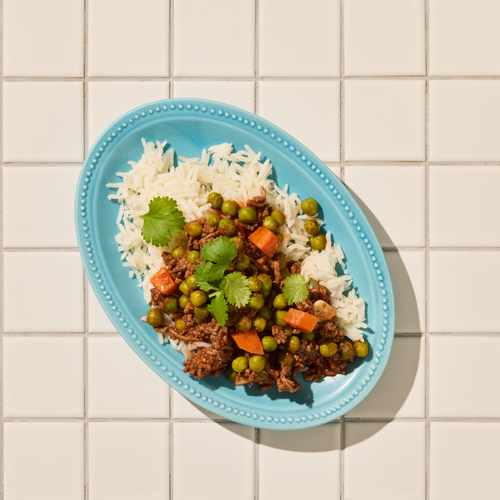
PICTURED: Le Purée Beef & Liver Meatballs
Everyday nutrition to support your child’s gut
1. Fibre-Rich Foods
Fibre is food for gut bugs. Offer (in age-appropriate textures):
- Vegetables and fruit of different colours.
- Whole grains like oats, wholemeal bread, brown rice and wholegrain cereals. • Beans, lentils and chickpeas in soft forms.
- Nuts and seeds (as ground or smooth butters for young children).

PICTURED: Le Purée Pear, Spinach & White Bean Purée
2. Whole Foods over Ultra Processed Foods
Most of the time, aim for:
- Foods close to their natural form: vegetables, fruit, whole grains, legumes, nuts, seeds, eggs, plain yoghurt, meat, chicken, fish.
- Fewer ultra-processed snacks (packets with long ingredient lists, high in sugar, salt and additives). These diets are linked with less favourable gut microbiome patterns and higher risks of obesity and metabolic problems.
3. Fermented and Probiotic Foods
Fermented foods contain live cultures that can support gut diversity. For young children, practical options include:
- Plain, unsweetened pot-set yoghurt with live cultures.
- Kefir (child-friendly versions).
- Small amounts of traditional sauerkraut or miso in meals for older toddlers.
Research shows fermented foods can increase microbiome diversity and lower inflammation markers in adults, and live-culture yoghurts can help support digestive and immune health.
4. Healthy Fats and Omega-3s
Healthy fats support brain development and may also influence gut health. For toddlers and young children, consider:
- Oily fish (e.g., salmon, sardines) 1–2 times per week if culturally and financially appropriate. • Smooth nut butters, avocado, olive oil, tahini.
- Seeds like chia or ground flax added to yoghurt or porridge.

PICTURED: Le Purée Catch of the Day Sardine Purée
5. Early, Safe Allergen Introduction
Unless advised otherwise by your doctor or allergy specialist, from around 6 months you can:
- Introduce well-cooked egg and smooth peanut in small amounts.
- Introduce other allergens such as wheat and dairy (in cooked/baked forms first)
- Keep these foods in the diet regularly if tolerated.

PICTURED: Le Purée x AllerStart Baby's First Allergens Bundle
Large clinical trials show that early and ongoing introduction of egg and peanut lowers the chance of developing allergies in many children.
Always seek specific medical advice if your child has severe eczema, a known allergy, or a strong family history of allergy. ASCIA is a wonderful resource to guide you through this tricky phase.
https://www.allergy.org.au/images/pc/ASCIA_PC_How_to_Introduce_Solid_Foods_FAQ_2024.pdf Key take home points:
- The first 1000 days are a powerful time to support your child’s gut health and future wellbeing.
- A varied, mostly whole-food, fibre-rich diet for you in pregnancy and for your child afterwards helps grow a strong, diverse gut microbiome.
- Fermented foods, healthy fats (especially omega-3s), and early, safe allergen introduction all have evidence behind them and can be woven into family meals.
- Perfect eating is not the goal. Small, repeatable steps over time make the biggest difference.