Why Iron Matters for Babies and Toddlers (And Why the Need Doesn't Stop at 12 Months)
By Le Purée Head Dietitian, Jessica Kurosaki
Iron gets talked about a lot when babies first start solids, and for good reason. But somewhere around the first birthday, the conversation often gets quieter. But the need for iron doesn’t.
Babies are born with iron stores that help support them through their first few months of life. By around six months, those stores are starting to run low, at the same time as babies are growing rapidly. This is one of the reasons introducing iron-rich foods from around six months is so important.

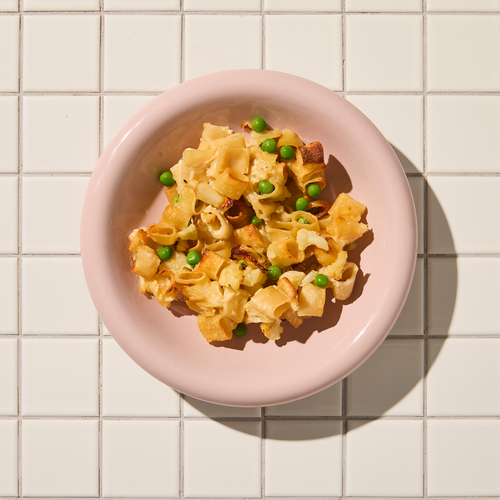
PICTURED: Le Purée Chicken Cauliflower Mac & Cheese
Iron plays a role in making haemoglobin, which carries oxygen around the body, but its job goes well beyond that. It also supports normal brain development, energy production, growth and immune function. During infancy and toddlerhood, when bodies and brains are developing at an incredible pace, getting enough (and of the right type) matters.
The challenge is that babies have tiny stomachs. They can only eat so much at each meal, which means what goes onto their plate needs to work pretty hard nutritionally.
Iron-rich foods include meat, chicken, fish, eggs, legumes, tofu and iron-fortified cereals. Plant foods such as lentils, beans and some seeds can also contribute iron, although the type of iron they contain is not absorbed as readily as the iron found in animal foods. Pairing plant sources of iron with vitamin C-rich foods, such as fruit, tomato, broccoli or capsicum, can help the body absorb more of it.
Then comes toddlerhood.

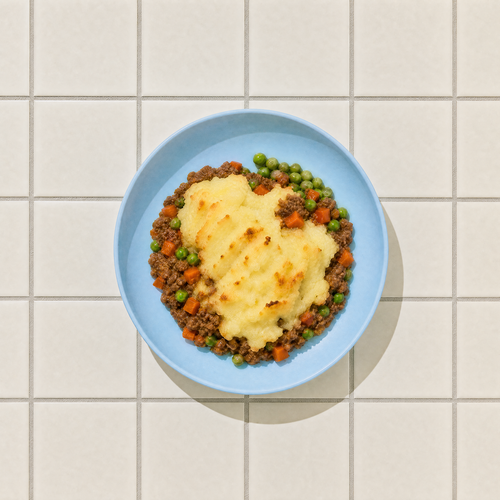
PICTURED: Le Purée Lamb & Barley Stew (high in iron; 3.2mg per serve)
At 12 months, babies don't suddenly stop growing or developing. In fact, Australian nutrient reference values recommend 9 mg of iron per day for children aged 1 to 3 years, compared with 11 mg per day for infants aged 7 to 12 months. That is still a substantial amount of iron for a very small person with a relatively small appetite.
And anyone who has fed a toddler knows that appetite is rarely predictable. One day they might eat everything you put in front of them. The next, apparently three blueberries and half a cracker is plenty.
This is why continuing to offer iron-rich foods regularly matters. It doesn't mean every meal needs to be perfectly balanced, and it certainly doesn't mean parents need to start calculating milligrams of iron at the dinner table. Think instead about giving iron a regular place across the day.
Add lentils to a pasta sauce. Offer Nonna’s meatballs or chicken & spinach meatballs. Choose an iron-fortified cereal, and pair it with some citrus fruit. Add bone marrow baked beans to the rotation. The possibilities are endless.

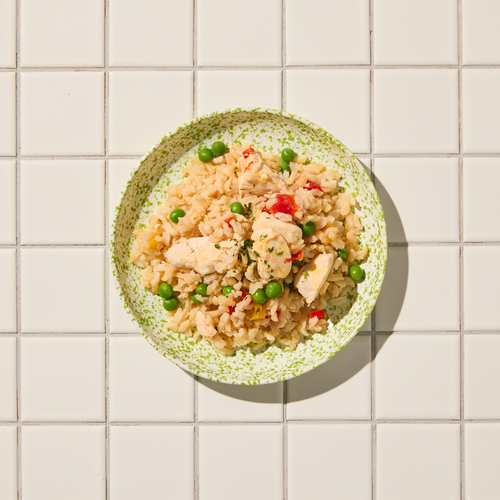
PICTURED: Le Purée Chicken & Spinach Meatballs
Nutrition in the early years isn't about creating a perfect plate every time. It's about what we offer consistently over time.
Iron matters when babies start solids, and it continues to matter well beyond their first birthday. The foods might change, the portions might grow and the toddler opinions may become significantly louder, but the need for good nutrition is still very much there.